

Your eyes let you see the beauty of the world and are crucial for everyday activities. They help you walk, drive, exercise, and recognize the faces of family and friends. Losing your sight and needing help from others can be very difficult.
However, many people live with glaucoma, a condition where increased pressure in the eye damages its structure. Symptoms can include blurry vision, nausea, and seeing halos. Fortunately, medication can help reduce these effects. But as the saying goes, "prevention is better than a cure."
Research indicates that eating foods high in Vitamin A, beta-carotene, lutein, and zeaxanthin can help lower the risk of glaucoma and keep your eyes healthy, especially for those at higher risk.

Retinol (Vitamin A)
Studies have found that eating foods high in retinol (vitamin A) can lower the chances of developing eye problems like cataracts and macular degeneration as you age. Foods that are high in this vitamin include:
- Eggs
- Liver
- Fish-liver oil
- Oily fish (salmon and tuna)
- Dairy products (milk, yogurt and hard cheeses)

Beta-Carotene
When we were kids, our parents or guardians told us to eat carrots for better eyesight—and they were right. Research shows that fruits and vegetables high in beta-carotene, like carrots, help protect our eyes. Other sources include:
- Sweet potato
- Cantaloupe
- Apricots
- Papaya
- Pumpkin
Lutein and Zeaxanthin
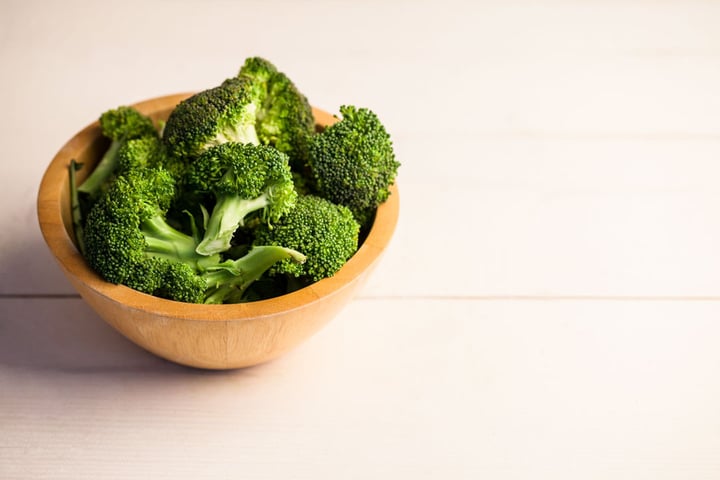
Dark green and leafy vegetables with high levels of lutein and zeaxanthin are suggested for the prevention of eye diseases. Foods rich in these eye vitamins are:
- Kale
- Collard greens
- Spinach
- Broccoli
- Cabbage
It's easier than ever to add these foods to your diet. You can make a refreshing green smoothie by blending leafy greens like spinach and kale with berries. You can also add these foods to a garden salad, fruit salad, soup, and more. The benefit? A delicious and healthy way to nourish your body and improve your vision.
Although factors like genetics, age, race, and lifestyle can influence whether someone develops glaucoma, research suggests that eating the foods mentioned here can help prevent the disease. As the saying goes, "prevention is better than a cure."
Finding Support: Self-Help Groups for Glaucoma
Living with glaucoma can feel overwhelming, but you don’t have to face it alone. Support groups provide a safe space to share experiences, learn coping strategies, and connect with others who understand what you’re going through. Here are some trusted options:
- Glaucoma Support & Education Group (GSEG)
Virtual meetings via Zoom with peer discussions and expert Q&A. Email gseg@glaucomasupport.org to join. - Glaucoma Research Foundation Online Communities
Private Facebook groups like Glaucoma Eyes and Glaucoma Support for patients and families. - Eye2Eye Peer Support Program
Free phone-based support for visually impaired individuals and caregivers. - The Glaucoma Community App by Responsum Health
A global platform for sharing stories and tips—available as a free app. - World Glaucoma Patient Network (WGPN)
A worldwide directory of local and international support groups.
Joining a group can help you stay informed, reduce stress, and feel empowered in managing your eye health.
Are Eye Supplements and Medications Safe for Long-Term Use?
When it comes to glaucoma, treatment often involves a combination of prescribed medications and lifestyle choices. Here’s what you need to know: - Eyesurge Supplements
Eyesurge is marketed as an antioxidant-rich eye health supplement containing lutein, zeaxanthin, and other nutrients. While generally safe when taken as directed, there’s no clinical evidence confirming its long-term effectiveness for glaucoma prevention or treatment. Always consult your eye doctor before starting any supplement. - “Glow Eye” Products
Currently, there’s no credible medical research supporting products marketed as “Glow Eye.” Be cautious—unverified supplements can be misleading or even harmful. Stick to reputable brands and seek professional advice. - Prescription Glaucoma Medications. Most glaucoma medications, such as eye drops, are safe for long-term use under medical supervision. However:
- Carbonic anhydrase inhibitors (e.g., dorzolamide) can rarely cause systemic side effects, especially in patients with kidney issues.
- Beta-blocker eye drops (e.g., timolol) may require caution for those with certain health conditions.
Tip: Always share your full medical history with your ophthalmologist and follow up regularly to monitor side effects.
Eating nutrient-rich foods, joining a support group, and following your doctor’s advice can make a big difference in preventing or managing glaucoma. If you have questions about your vision benefits:

Want to have Solstice benefits? Call our sales team at 877.760.2247 or email Sales@SolsticeBenefits.com
Already have Solstice benefits? See your plan details by going to https://www.mysmile365.com/ or calling us at 1.877.760.2247.


comments