
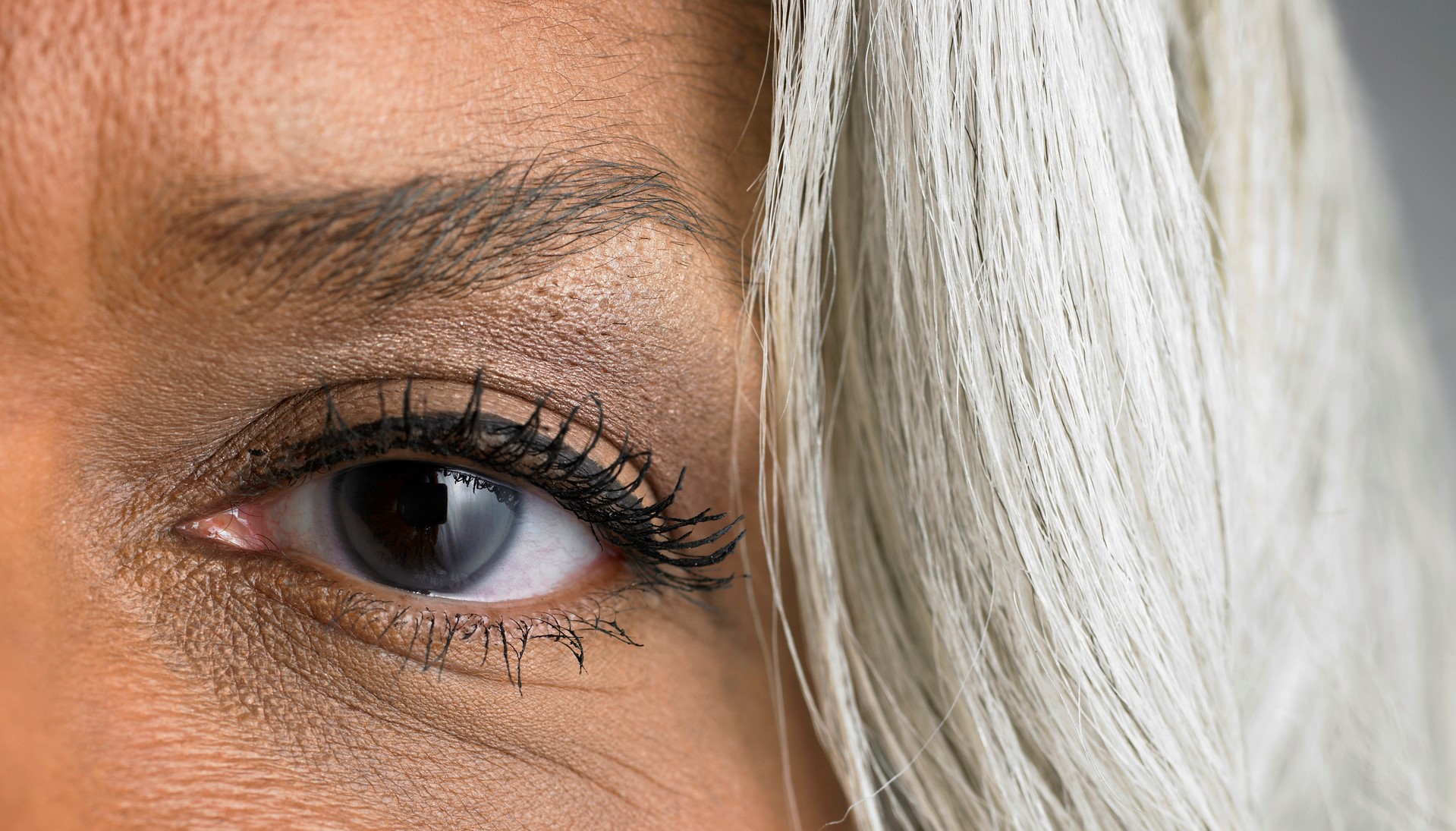
In fact, millions of Americans have glaucoma and don’t even know it. Left untreated, this disease can lead to irreversible blindness. The good news? Early detection can make all the difference. Here’s what you need to know to protect your vision and the vision of those you love.
Key Takeaways
- Glaucoma is a leading cause of blindness worldwide.
- There’s no cure—but early detection can prevent vision loss.
- Regular eye exams are the best way to catch it early.
- People over 60 or of African, Asian, or Hispanic descent
- Those with diabetes or severe nearsightedness
- Family history of glaucoma
- Symptoms may be silent at first—don’t skip your eye checkups.
What is Glaucoma?
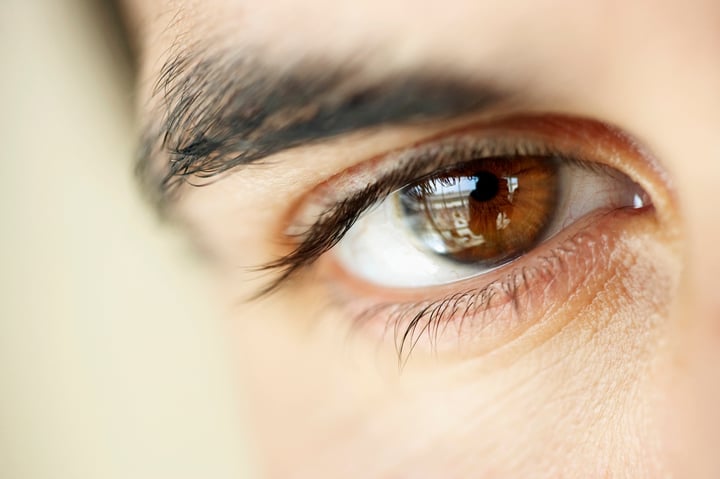
Glaucoma is a type of eye disease that causes blindness by damaging the optic nerve which sends images to your brain.
“Open-angle glaucoma” is the most common type. The other type is “acute angle-closure glaucoma.” Both end in blindness if left untreated.
Unfortunately, no cure exists for glaucoma. Early detection, however, means that your eye doctor can prevent blindness by stopping the glaucoma from getting worse with medication and/or surgery.

Glaucoma by the Numbers
Did you know that cases of glaucoma are on the rise? Over 3 million Americans have glaucoma and only half of them realize they have it. Projections by the National Eye Institute indicate that a whole lot more of us—58 percent more—will have this shadowy eye disease by the year 2030. That’s a whopping 4.2 million of us, just in the U.S. alone.
Who is at Risk?
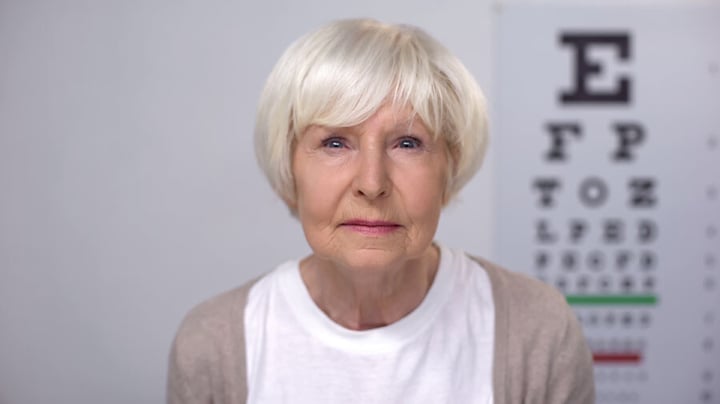
The first thing to know is that anyone can get this eye disease. According to researchers, nearly half of the people who have glaucoma don't even know it!
The second thing to recognize is that some people are more at risk than others.
Here are basic risk factors for who is more likely to get glaucoma:
- Everyone age 60 or olde
r - African, Asian and Hispanic descent
- People who have diabetes
- Those who are severely near-sighted
- People with a family history of the disease
Since so many people are at risk of getting glaucoma, we can each make a real difference by ensuring that our loved ones set up an eye exam with an optometrist.

Know the Signs
Open-angle glaucoma initially has no signs until the damage to the optic nerve is severe enough to cause you to lose your side vision. If it's left untreated, blindness will follow.
With acute angle-closure glaucoma, you may experience these signs: severe pain, nausea, vomiting, blurred vision and seeing a rainbow halo around lights. Note: if you experience these signs, it is urgent that you see an eye doctor right away who can diagnose the situation and prevent blindness from occurring.
FAQs
Q: What exactly is glaucoma?
A: Glaucoma is an eye disease that damages the optic nerve, leading to vision loss and potentially blindness if untreated.
Q: Can glaucoma be cured?
A: No, there is currently no cure. However, early detection and treatment can slow or stop its progression.
Q: Who is most at risk?
A: People over 60, those of African, Asian, or Hispanic descent, individuals with diabetes, severe nearsightedness, or a family history of glaucoma.
Q: What are the warning signs?
A: Open-angle glaucoma usually has no early symptoms. Acute angle-closure glaucoma can cause severe eye pain, nausea, vomiting, blurred vision, and halos around lights.
Q: How often should I get tested?
A: Ask your eye doctor for guidance, but regular eye exams are essential—especially if you have risk factors.
Q: Does insurance cover glaucoma testing?
A: Many vision plans include glaucoma screenings. Check your plan details or contact your provider for specifics.
Early detection is key. Your eye doctor can diagnose glaucoma with a simple test. Be sure to ask your eye doctor to include a test for glaucoma with each exam, and plan to have those eye exams on a regular basis. Check with your vision plan to see what's covered. And, talk to your eye doctor about how often you should have your eyes tested to keep your vision as strong as possible.

Want to Join Solstice?
📞 Call our Sales Team at 877.760.2247 (Option 4)
📧 Email us at Sales@SolsticeBenefits.com
Already a member?
🔍 Check your plan details at MySmile365


comments