

If you’ve ever looked at a dental bill and wondered why something was or wasn’t covered, you’re not alone. Most dental insurance plans group care into three categories: preventive, basic, and major services. These categories help determine how much you pay out of pocket and when certain treatments are covered.
To help, we’re going to break down each category of dental benefits in plain language, with extra attention on preventive care—since it’s often the easiest to use and a key part of long‑term oral health.

Why these categories matter.
Dental problems are common, and many develop without obvious symptoms.
- CDC data shows that about 1 in 5 adults ages 20–64 has at least one untreated cavity
- About 42% of adults age 30 and older have some form of gum disease, and roughly 8% have severe periodontitis
Understanding how dental services are categorized can help you plan care, avoid surprises, and make better use of your benefits.

The three categories explained simply.
1) Preventive dental services
Preventive care includes routine services designed to help prevent problems or catch them before they progress. Because this care is important for your oral health, many plans cover it generously.
2) Basic dental services
Basic services treat common dental problems, such as cavities or early gum disease. Think of these as 'repairs'.
3) Major dental services
Major services involve more complex procedures, such as crowns, bridges, or dentures. These are restorations that typically require extra time and expense.
Important: Every dental plan is different. Covered procedures, waiting periods, and cost‑sharing can vary based on your specific plan and whether your dentist is in network.

What preventive dental care actually includes
Preventive care is the foundation of dental benefits. It’s designed to help you stay on track and reduce the likelihood of needing more extensive treatment.
Preventive services often include:
- Routine dental exams (commonly every six months, though schedules vary)
- Professional cleanings to remove plaque and tartar.
- X‑rays to give your dentist a view of areas that aren’t visible during a regular exam.
- Oral cancer screenings to look for signs of cancer or precancerous conditions when treatment is simpler and outcomes are better.
- Gum health evaluations, since gum disease can progress quietly in its early stages
Cost note: Many plans cover preventive services with little or no out‑of‑pocket cost when you see an in‑network dentist. Always check your Schedule of Benefits for details.

Why preventive care is so valuable.
Regular preventive visits give your dentist a chance to spot oral health issues before they lead to more involved treatment, such as:
- Root canals
- Deep cleanings for gum disease
- Extractions or tooth loss
In short, using preventive benefits consistently can help keep you out of the “basic” and “major” categories.

Preventive care can support whole‑body health, too.
Your oral health is connected to your overall health in important ways, making routine dental care essential.
- The CDC notes that high blood sugar can raise sugar levels in saliva, feeding plaque bacteria and increasing the risk of cavities and gum disease.
- The American Dental Association also lists oral effects linked with uncontrolled diabetes, including gingivitis, periodontitis, delayed healing, and infections.

What counts as basic dental services?
Basic services usually include treatments that fix common problems, such as:
- Fillings
- Root canals
- Non‑routine X‑rays
- Periodontal scaling and root planing (deep cleanings for gum disease)
Basic care usually comes with higher out‑of‑pocket costs than preventive care, depending on your deductible and coinsurance or copay.
What counts as major dental services?
Major dental services often include:
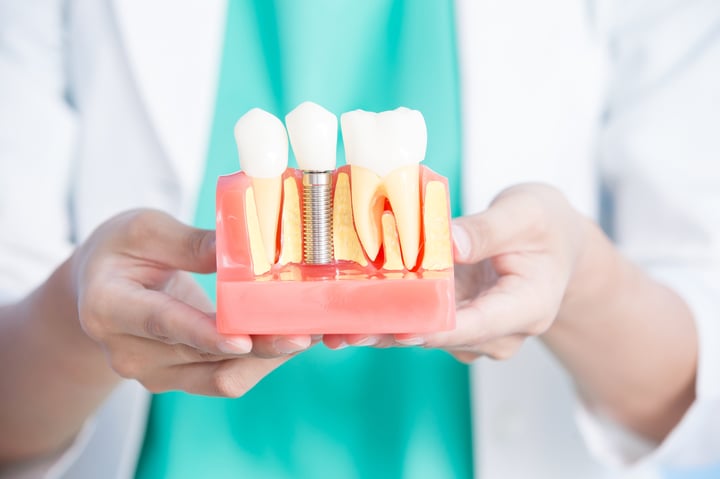
- Crowns
- Bridges
- Dentures
- Implants (coverage varies by plan)
- Surgical extractions and other complex procedures
Major dental procedures tend to be more complex, which is why plans often cover a smaller portion of the cost. That’s another reason preventive services are of such substantial value.

How dental insurance supports preventive care
- Making routine visits more affordable when preventive services are covered at a higher level.
- Encouraging consistent habits, which can help identify problems early
- Improving cost transparency when you understand how preventive, basic, and major services are categorized
Knowing these distinctions can help you estimate costs ahead of time and ask the right questions before treatment.

A simple checklist to avoid shocking dental bills.
- Confirm your dentist is in-network for more predictable costs
- Ask which category of service your recommended treatment falls under.
- Requesta pre‑treatment estimate for more involved procedures.
- Review key plan details like deductibles, annual maximums, and coverage limits.

The Takeaways
Dental insurance is easier to navigate when you remember the three categories:
- Preventive = routine care to help prevent problems
- Basic = common repairs
- Major = complex restorations
By using your preventive benefits regularly, you’re more likely to catch small issues now and less likely to need major dental work later. Here’s to a healthier smile all year long.
Disclaimer: Coverage and reimbursement levels vary by plan. Refer to your specific plan documents or contact Member Services for exact benefits.


comments