
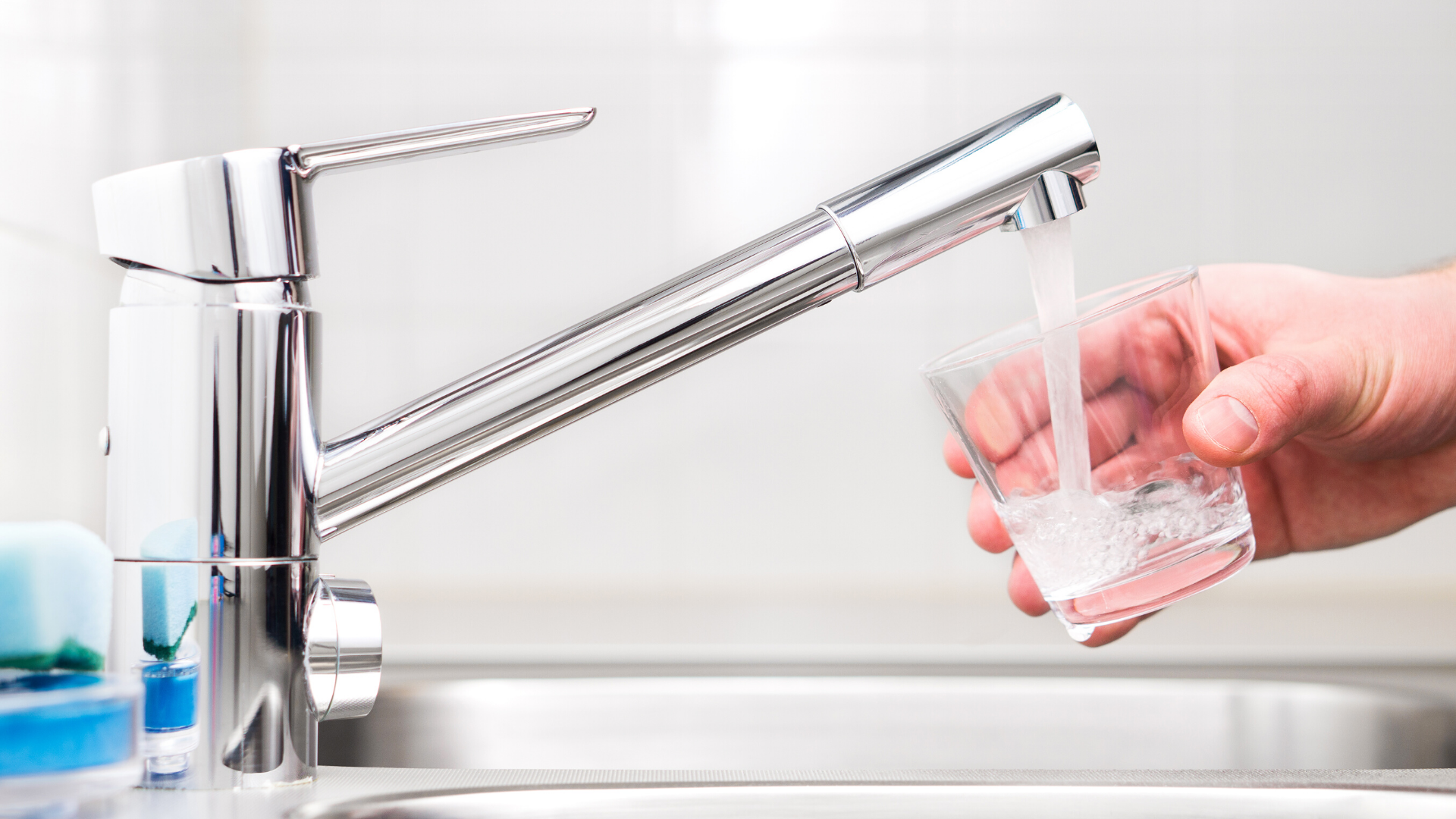
Did you know that in the U.S., we drink up to 46.4 gallons of water each year? The only bottled drinks we reach for even more often than water are beer and soda.
With that many people drinking water in a bottle, it begs the question: is it really better for you than tap water?
- Tap water is safe and regulated by the EPA with strict standards.
- Fluoride in tap water helps prevent cavities and supports oral health.
- Most bottled water lacks fluoride and may have acidic pH.
- Tap water saves money and reduces waste when used with a refillable bottle.
- Bottom line: Tap water is as safe as bottled—and better for your teeth.
Federal Standards and Safety
Here’s the truth: both must meet similar federal standards to protect all of us from health risks.
- The American Dental Association endorses the addition of fluoride in public water supplies. That’s good for the health of you and your family’s teeth. With the well-evidenced link between good oral hygiene and good overall health, fluoridated water plays a big role in healthy teeth.
- The U.S. Food and Drug Administration (FDA) regulates bottled water as a food product. FDA drinking water standards are not as strict, nor as well enforced, as those for tap water.
- The U.S. Environmental Protection Agency (EPA) regulates public water supplies used for tap water. Governmental agencies responsible for public water supplies track any incidents of waterborne illness. They must notify the public of several things:
- Whether a water contaminant is present that exceeds EPA standards,
- The level of contamination,
- Potential health effects.
- What the public can do to protect itself from illness.
- To ensure that the public water supply is safe, chlorine is added to kill bacteria and fluoride is added to help keep your teeth healthy and strong.
What is fluoride and why is it good for your teeth?
Fluoride is a naturally occurring mineral. In the early part of the 20th century, scientists made a fascinating discovery: people who had more fluoride in their drinking water had fewer cavities. The discovery was significant at the time because back then many children and adults suffered from tooth decay and painful extractions of permanent teeth.
Communities responded by adding fluoride to their water supplies starting in the 1940s, Over the years, health studies have proven fluoride found in community drinking water is a safe and effective way to prevent and control tooth decay. In some cases, it can even reverses tooth decay.
Bottled Water
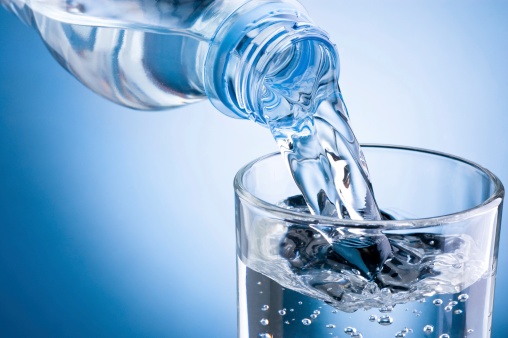
Water from a bottle is unquestionably better than sodas or other sugary drinks from the standpoint of oral health. However, during processing bottled water is often subject to reverse osmosis or distillation. Intended to take out substances that can affect the flavor of the water, both of these processes also remove any fluoride that is naturally present in the water. Fluoride content in bottled water varies; read the label. Research is also being shown that some bottled water has an acidic Ph level.

Convenience
People often claim that they purchase water in bottles for its convenience. Consider, however, that you have to go to a store to purchase it. Once you drink that, you have to return to the store to buy more.
On the other hand, you can use a personalized, decorative, refillable bottle that you have purchased once, and fill it with tap water at work or at home as many times as you need to at no extra cost.
Best of all? Since the tap water is fluoridated, you likely will have the added convenience of fewer dental cavities and fewer, less expensive dentist visits.
❓ FAQs
Q1: Is bottled water safer than tap water?|
Not necessarily. Both are regulated, but tap water often has stricter standards and is monitored more closely by the EPA.
Q2: Does bottled water contain fluoride?
Usually not. Many bottled waters go through processes like reverse osmosis or distillation, which remove fluoride.
Q3: Why is fluoride important?
Fluoride strengthens tooth enamel, helps prevent cavities, and can even reverse early tooth decay.
Q4: What if I don’t like the taste of tap water?
Consider using a filter at home. It can improve taste without removing fluoride.
Q5: Is bottled water bad for my teeth?
Not bad, but it doesn’t provide fluoride. Some bottled waters may also have an acidic pH, which can erode enamel over time.
Bottom Line
Experts agree that tap water is at least as safe, and possibly safer, than bottled. Using a refillable container provides convenience of purchased bottles of water without the unnecessary costs and, best of all, you get the fluoride you need that protects your great smile as well. 


comments